𝗧𝗵𝗲 𝗢𝗻𝗲 𝗟𝗼𝗼𝗸𝗶𝗻𝗴 𝗢𝘂𝘁 𝗼𝗳 𝗘𝘃𝗲𝗿𝘆 𝗘𝘆𝗲
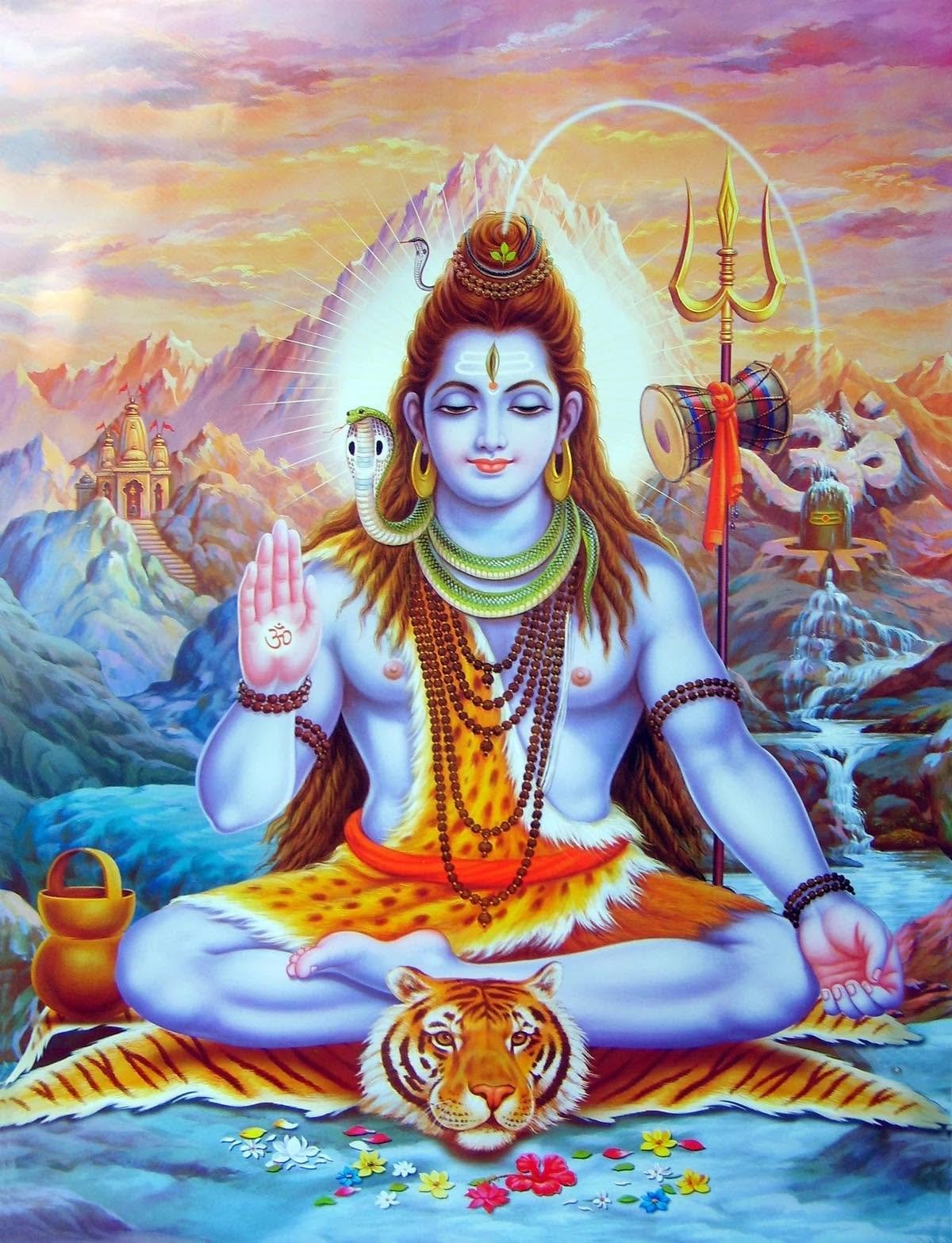
There is one thing we have searched for our entire lives, and it is the one thing that was never absent for a single moment.
It is not hidden in a higher state. It is not waiting at the end of the practice. It is not buried under enough years of effort. It is reading these words right now. It is the one aware of this very sentence as it lands.
We have called it by a thousand names and hunted for it in a thousand places. It was never once in any of them, because it is the one looking. Adi Shankara gave the recognition a name that ends the search before it begins. Aparoksha. Not indirect. Not someday. Not somewhere else. Direct. Here. Now. The Self that can never be reached, because it is the one who would do the reaching.
It is here. It is now. And it is what we are.
━━━━━━━━━━━━━━━
𝗧𝗵𝗲𝗿𝗲 𝗜𝘀 𝗡𝗼 𝗦𝗲𝗽𝗮𝗿𝗮𝘁𝗶𝗼𝗻
Everything we have ever suffered rests on a single quiet assumption. That there is a me in here, sealed inside this body, looking out at a world out there. One small self, surrounded on all sides by everything it is not.
That wall is the only thing that was ever wrong. And it was never actually built.
Shankara says it in six words that hold his entire teaching.
ब्रह्म सत्यं जगन्मिथ्या जीवो ब्रह्मैव नापरः
Brahma satyaṃ jagan mithyā, jīvo brahmaiva nāparaḥ
𝘉𝘳𝘢𝘩𝘮𝘢𝘯 𝘢𝘭𝘰𝘯𝘦 𝘪𝘴 𝘳𝘦𝘢𝘭. 𝘛𝘩𝘦 𝘸𝘰𝘳𝘭𝘥 𝘪𝘴 𝘢𝘱𝘱𝘦𝘢𝘳𝘢𝘯𝘤𝘦. 𝘛𝘩𝘦 𝘴𝘦𝘱𝘢𝘳𝘢𝘵𝘦 𝘴𝘦𝘭𝘧 𝘪𝘴 𝘯𝘰𝘵𝘩𝘪𝘯𝘨 𝘰𝘵𝘩𝘦𝘳 𝘵𝘩𝘢𝘯 𝘉𝘳𝘢𝘩𝘮𝘢𝘯.
The separate self we have defended our whole lives is not a small fragment of the infinite. It is the infinite, briefly imagining itself small. There are not two things here, a Self and a world. There is only the Self, and the world is how the Self appears.
Shankara gives the image. The whole universe is like a city seen inside a mirror, appearing as if outside, while it rises entirely within. The world is not out there, pressing in on us. It is inside the awareness we are, the way a city is inside the glass. Nothing is divided. Nothing was ever sent away.
━━━━━━━━━━━━━━━
𝗧𝗵𝗲 𝗪𝗶𝘁𝗻𝗲𝘀𝘀
Turn, just once, toward what is actually here. Not the thoughts. Not the feelings. Not the body. The one aware of all of it.
Right now, something is seeing these words. Something has been present and awake through every scene of this life. Every room you have ever stood in. Every version of yourself you have already outgrown. It never aged. It never wavered. It was there in the body of a child, and it is here in this breath, the same unbroken awareness, watching it all pass through.
Shankara points straight at it.
रूपं दृश्यं लोचनं दृक् तद्दृश्यं दृक्तु मानसम्
दृश्या धीवृत्तयः साक्षी दृगेव न तु दृश्यते
Rūpaṃ dṛśyaṃ locanaṃ dṛk, tad dṛśyaṃ dṛk tu mānasam
Dṛśyā dhī-vṛttayaḥ sākṣī dṛg eva na tu dṛśyate
𝘛𝘩𝘦 𝘧𝘰𝘳𝘮 𝘪𝘴 𝘴𝘦𝘦𝘯, 𝘵𝘩𝘦 𝘦𝘺𝘦 𝘪𝘴 𝘪𝘵𝘴 𝘴𝘦𝘦𝘳. 𝘛𝘩𝘦 𝘦𝘺𝘦 𝘪𝘴 𝘴𝘦𝘦𝘯, 𝘵𝘩𝘦 𝘮𝘪𝘯𝘥 𝘪𝘴 𝘪𝘵𝘴 𝘴𝘦𝘦𝘳. 𝘛𝘩𝘦 𝘮𝘪𝘯𝘥 𝘢𝘯𝘥 𝘢𝘭𝘭 𝘪𝘵𝘴 𝘮𝘰𝘷𝘦𝘮𝘦𝘯𝘵𝘴 𝘢𝘳𝘦 𝘴𝘦𝘦𝘯, 𝘢𝘯𝘥 𝘵𝘩𝘦 𝘸𝘪𝘵𝘯𝘦𝘴𝘴 𝘪𝘴 𝘵𝘩𝘦𝘪𝘳 𝘴𝘦𝘦𝘳. 𝘛𝘩𝘦 𝘸𝘪𝘵𝘯𝘦𝘴𝘴 𝘪𝘵𝘴𝘦𝘭𝘧 𝘪𝘴 𝘯𝘦𝘷𝘦𝘳 𝘴𝘦𝘦𝘯 𝘣𝘺 𝘢𝘯𝘺𝘵𝘩𝘪𝘯𝘨.
Follow it inward and it never ends in an object. Whatever can be seen is not the seer. The body is seen, so we are not the body. The thoughts are seen, so we are not the thoughts. Even the sense of being a person is something seen, so we are not even that. We are the seeing itself. The witness. The one thing in all of existence that is never an object, because it is the subject of everything. It is witnessing all that is, this very second, and it is what we are.
━━━━━━━━━━━━━━━
𝗪𝗵𝗮𝘁 𝗢𝗺 𝗡𝗮𝗺𝗮𝗵 𝗦𝗵𝗶𝘃𝗮𝘆𝗮 𝗠𝗲𝗮𝗻𝘀
For thousands of years one mantra has been carried on the breath of seekers. Om Namah Shivaya. Most of us first hear it as a prayer sent upward. Homage to Shiva, the Lord, somewhere above us, to be praised and petitioned.
Listen to what the words actually carry.
Shiva does not first mean a figure with a trident. Shiva means the auspicious. The pure. The still ground that does not move while everything moves upon it. It is the most ancient name for consciousness itself, the silent awareness underneath all that appears and disappears.
And Namah. The bow. The old reading splits the word open. Na mama. Not mine. The bow is the instant the small self releases its grip. Not my body. Not my mind. Not my story. Namah is the ego setting down everything it was clutching and falling silent.
So Om Namah Shivaya was never flattery aimed at a distant god. It is the separate self bowing so low that it vanishes into the still awareness it was always made of. Not mine. To the auspicious Self. The bow empties the one who bows.
━━━━━━━━━━━━━━━
𝗪𝗵𝗮𝘁 𝗦𝗵𝗶𝘃𝗼𝗵𝗮𝗺 𝗠𝗲𝗮𝗻𝘀
And then the bow completes itself. The one who bowed lifts their eyes and sees who they were bowing to.
Shivoham. Shiva, and aham. I am.
I am Shiva.
The whole journey of every tradition lives in the space between those two words. Namah Shivaya, and then Shivoham. First we bow to the Self as though it were other. Then we recognize that the one we were bowing to is the one bowing. The worshipper and the worshipped. The seeker and the sought. Never two.
Shankara wrote the recognition into verses that strip away everything we are not, until only this is left standing.
मनोबुद्ध्यहंकारचित्तानि नाहं
न च श्रोत्रजिह्वे न च घ्राणनेत्रे
न च व्योम भूमिर्न तेजो न वायुः
चिदानन्दरूपः शिवोऽहम् शिवोऽहम्
Mano-buddhy-ahaṃkāra-cittāni nāhaṃ, na ca śrotra-jihve na ca ghrāṇa-netre
na ca vyoma bhūmir na tejo na vāyuḥ, cidānanda rūpaḥ śivo’ham śivo’ham
𝘐 𝘢𝘮 𝘯𝘰𝘵 𝘵𝘩𝘦 𝘮𝘪𝘯𝘥, 𝘵𝘩𝘦 𝘪𝘯𝘵𝘦𝘭𝘭𝘦𝘤𝘵, 𝘵𝘩𝘦 𝘦𝘨𝘰, 𝘵𝘩𝘦 𝘮𝘦𝘮𝘰𝘳𝘺. 𝘐 𝘢𝘮 𝘯𝘰𝘵 𝘵𝘩𝘦 𝘦𝘢𝘳𝘴 𝘰𝘳 𝘵𝘩𝘦 𝘵𝘰𝘯𝘨𝘶𝘦, 𝘯𝘰𝘵 𝘵𝘩𝘦 𝘯𝘰𝘴𝘦 𝘰𝘳 𝘵𝘩𝘦 𝘦𝘺𝘦𝘴. 𝘐 𝘢𝘮 𝘯𝘰𝘵 𝘴𝘱𝘢𝘤𝘦, 𝘯𝘰𝘵 𝘦𝘢𝘳𝘵𝘩, 𝘯𝘰𝘵 𝘧𝘪𝘳𝘦, 𝘯𝘰𝘵 𝘢𝘪𝘳. 𝘐 𝘢𝘮 𝘤𝘰𝘯𝘴𝘤𝘪𝘰𝘶𝘴𝘯𝘦𝘴𝘴 𝘢𝘯𝘥 𝘣𝘭𝘪𝘴𝘴. 𝘐 𝘢𝘮 𝘚𝘩𝘪𝘷𝘢. 𝘐 𝘢𝘮 𝘚𝘩𝘪𝘷𝘢.
नमृत्युर्न शंका न मे जातिभेदः
पिता नैव मे नैव माता न जन्म
न बन्धुर्न मित्रं गुरुर्नैव शिष्यः
चिदानन्दरूपः शिवोऽहम् शिवोऽहम्
na mṛtyur na śaṅkā na me jāti-bhedaḥ, pitā naiva me naiva mātā na janma
na bandhur na mitraṃ gurur naiva śiṣyaḥ, cidānanda rūpaḥ śivo’ham śivo’ham
𝘐 𝘩𝘢𝘷𝘦 𝘯𝘰 𝘥𝘦𝘢𝘵𝘩, 𝘯𝘰 𝘧𝘦𝘢𝘳, 𝘯𝘰 𝘥𝘪𝘷𝘪𝘴𝘪𝘰𝘯 𝘰𝘧 𝘣𝘪𝘳𝘵𝘩. 𝘕𝘰 𝘧𝘢𝘵𝘩𝘦𝘳, 𝘯𝘰 𝘮𝘰𝘵𝘩𝘦𝘳, 𝘧𝘰𝘳 𝘐 𝘸𝘢𝘴 𝘯𝘦𝘷𝘦𝘳 𝘣𝘰𝘳𝘯. 𝘕𝘰 𝘳𝘦𝘭𝘢𝘵𝘪𝘷𝘦, 𝘯𝘰 𝘧𝘳𝘪𝘦𝘯𝘥, 𝘯𝘰 𝘵𝘦𝘢𝘤𝘩𝘦𝘳, 𝘯𝘰 𝘥𝘪𝘴𝘤𝘪𝘱𝘭𝘦. 𝘐 𝘢𝘮 𝘤𝘰𝘯𝘴𝘤𝘪𝘰𝘶𝘴𝘯𝘦𝘴𝘴 𝘢𝘯𝘥 𝘣𝘭𝘪𝘴𝘴. 𝘐 𝘢𝘮 𝘚𝘩𝘪𝘷𝘢. 𝘐 𝘢𝘮 𝘚𝘩𝘪𝘷𝘢.
This is not arrogance. It is the end of it. Every claim of the small self is laid down, one by one, not mine, not mine, not mine, until the one who was making the claims is gone, and only the auspicious awareness remains, recognizing itself.
The sages saw two faces of one reality. Shiva, the still witness that never moves. And the whole dance of creation, rising and falling upon that stillness. Shiva is the silence. All of this is its movement. To say Shivoham is to know yourself as the stillness in which the entire dance is appearing. The witness of all that is, speaking its own name at last.
━━━━━━━━━━━━━━━
𝗜 𝗔𝗺 𝘁𝗵𝗲 𝗦𝗲𝗹𝗳. 𝗬𝗼𝘂 𝗔𝗿𝗲 𝘁𝗵𝗲 𝗦𝗲𝗹𝗳. 𝗪𝗲 𝗔𝗿𝗲 𝘁𝗵𝗲 𝗦𝗲𝗹𝗳.
Here is where it becomes unbearably close.
The awareness reading this is not a private possession. It is not a separate little flame lit inside one skull, cut off from all the others. There is one awareness. It is looking out of these eyes right now. And it is the same one looking out of every other pair of eyes that has ever opened.
The consciousness that is awake in me is the consciousness that is awake in you. Not two flames lit from one fire. One fire, appearing at countless windows. When I say I am the Self, and you say I am the Self, it is the same one speaking through both mouths.
We are not separate selves who happen to be deeply connected. That is still the wall, only painted over. We are the one Self, briefly wearing every face, meeting itself across the small space between us and calling it someone else.
I am the Self. You are the Self. There was only ever the one of us here.
━━━━━━━━━━━━━━━
So there is nothing to reach. Nothing to become. No state to earn, no distance to cross, no one to finally turn into.
It is here. It is now. It is the one aware of this word, and this one, and the silence opening up behind them.
The bow and the recognition were always the same single motion. Om Namah Shivaya. Not mine, not mine, until the small self goes quiet. Shivoham. And in that quiet, the awareness that remains knows its own name.
You are not bowing to Shiva. You are the one being bowed to. You are not searching for the Self. You are the Self, reading these words, pretending for one more breath that it has not already been found.
Shivoham. Shivoham.
It was always you.